THE invisible CLASSROOM
*
THE invisible CLASSROOM *
Why does learning begin before school?
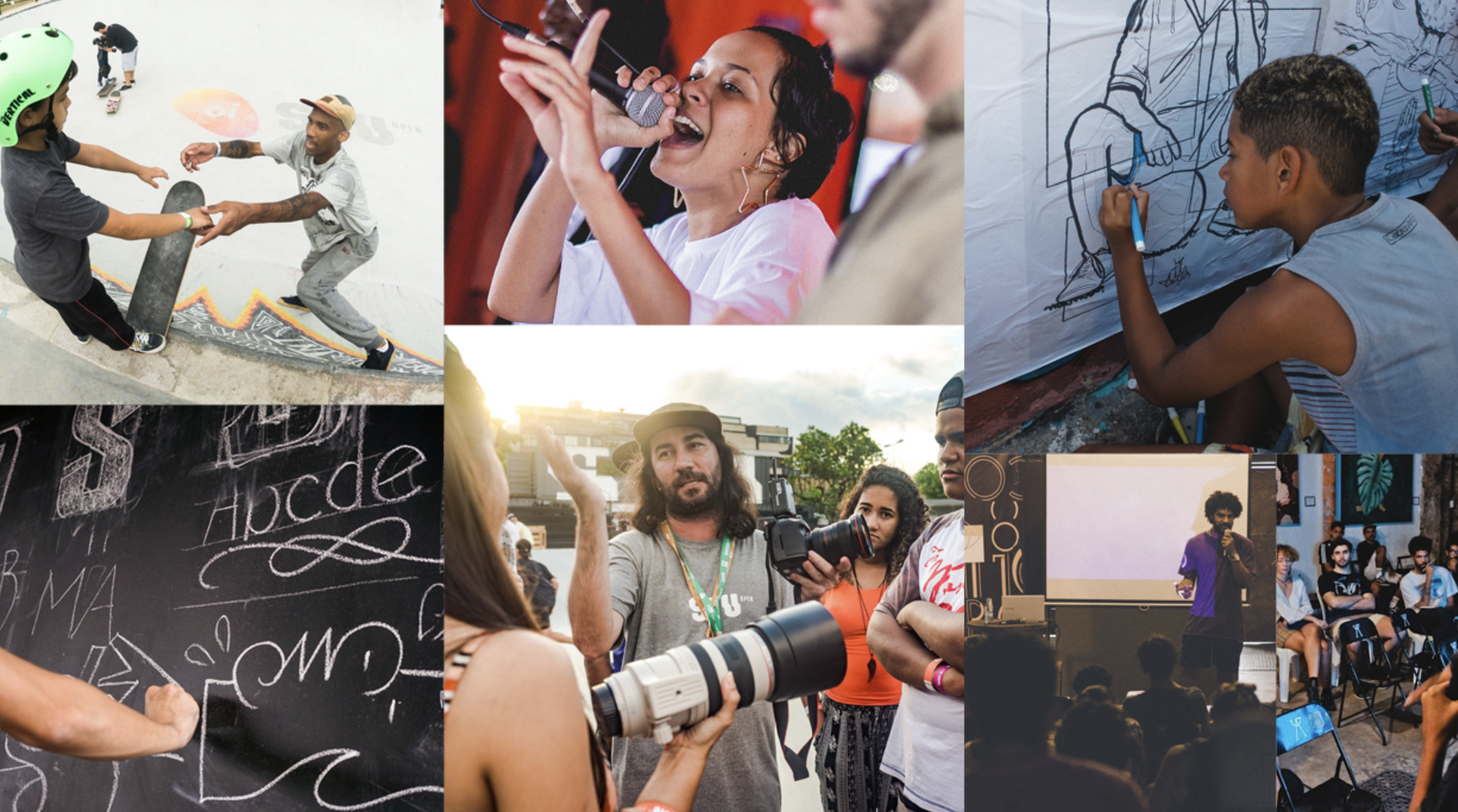
Young people are often described as disengaged from learning. Yet every day, millions of them dedicate countless hours to mastering skateboarding, music, gaming, filmmaking, entrepreneurship and countless other creative practices. They invest time, discipline and creativity into communities where no grades are given, no curriculum is imposed and no one is required to participate.
That contradiction became the starting point for this research.
If people are willing to learn with such intensity outside school, perhaps the real question is not whether they want to learn. Perhaps we have been looking in the wrong place.
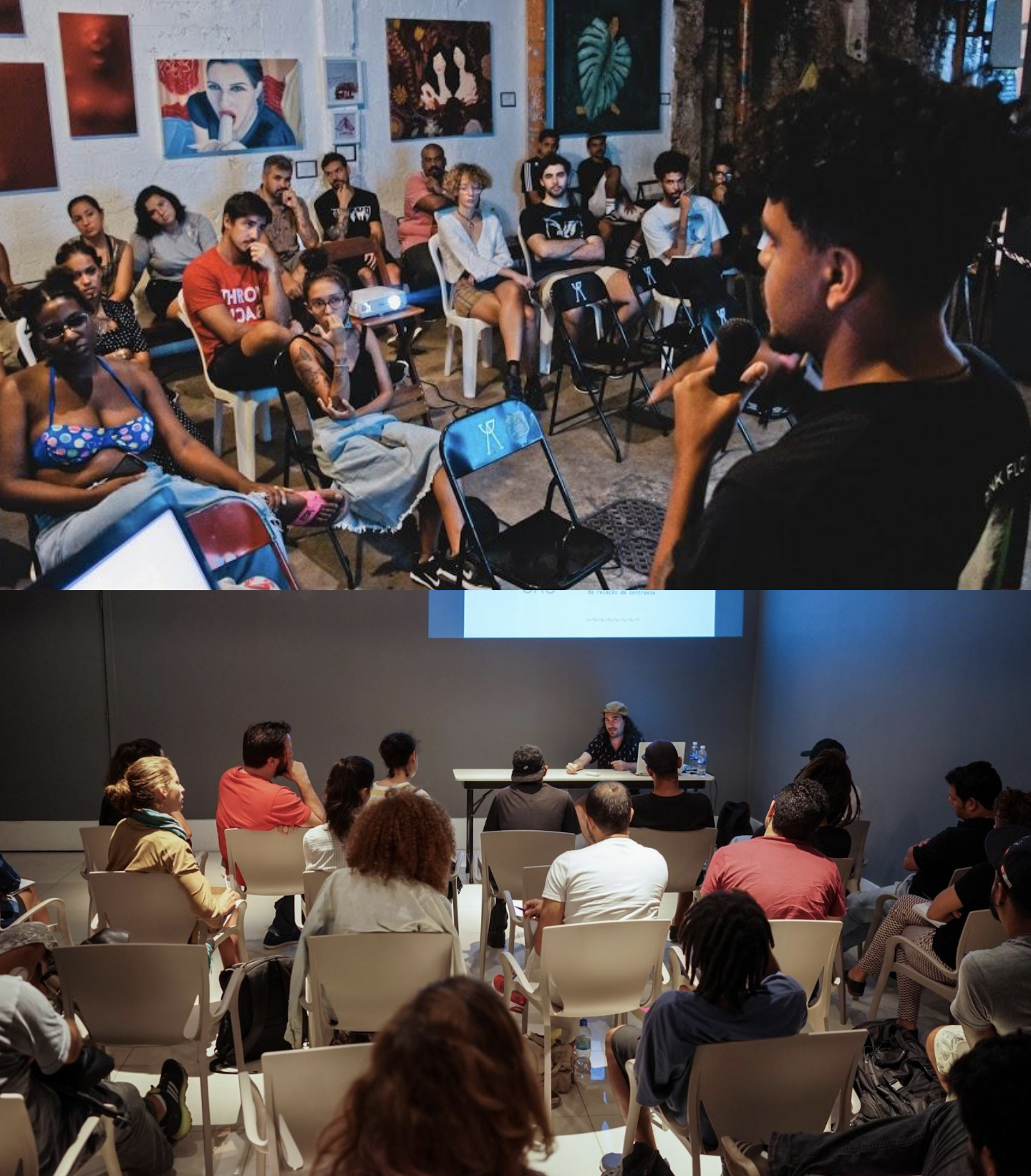
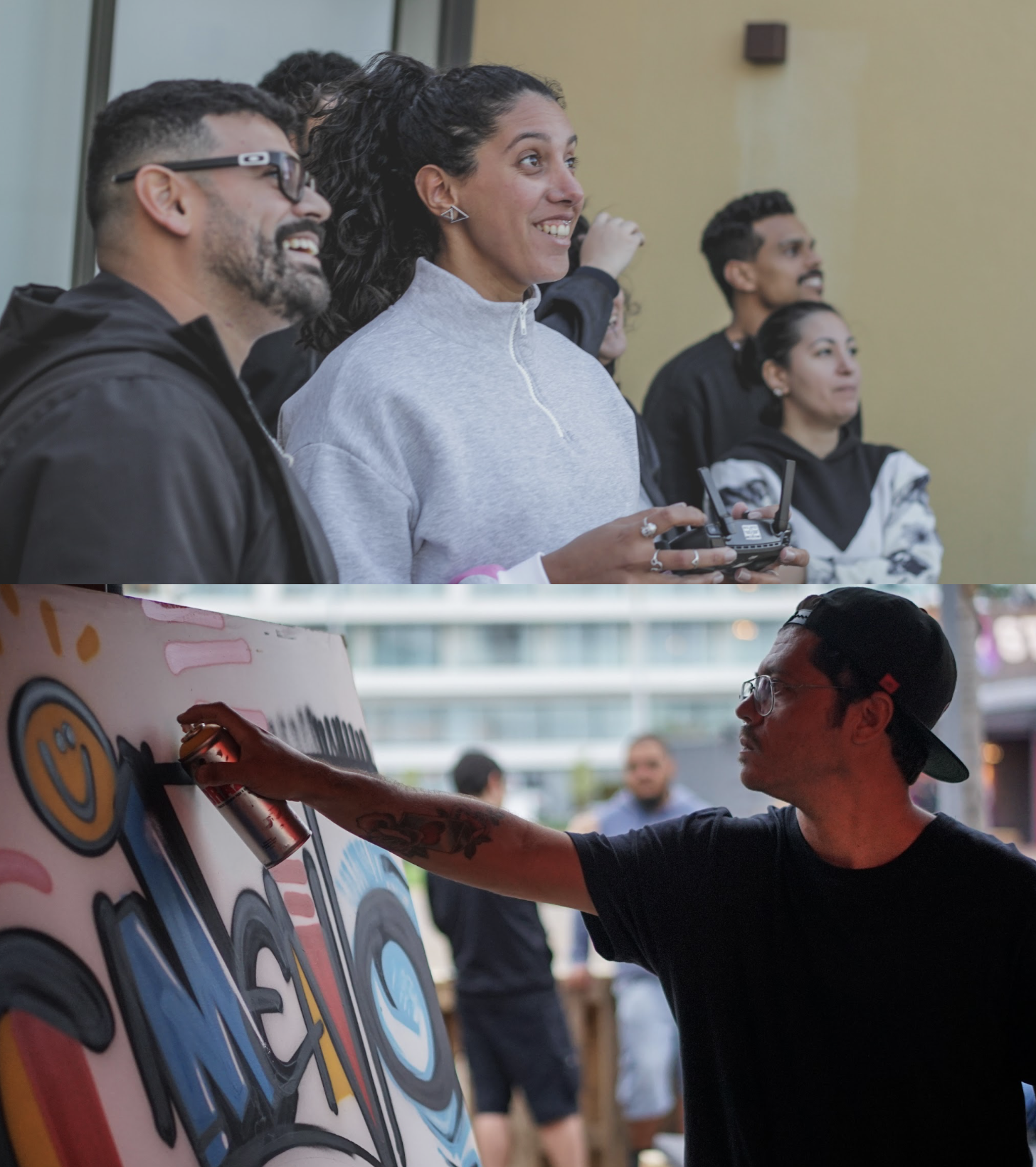
In 2016, that question led to the creation of Solto, a creative learning hub where we began designing educational experiences inspired by the environments people genuinely wanted to be part of. Over the following years, more than one hundred learning experiences were developed across schools, skateparks, rap battles, graffiti festivals, startups, creative communities and public spaces. Although each context pursued different goals and spoke different languages, the same learning dynamics kept appearing.
Only years later did I realize those observations described something larger than the Solto methodology. They revealed a recurring pattern that seemed to exist wherever people learned together.
That realization became The Invisible Classroom.
The FRAMEWORK
The Invisible Classroom proposes a simple way of understanding how learning becomes culture.
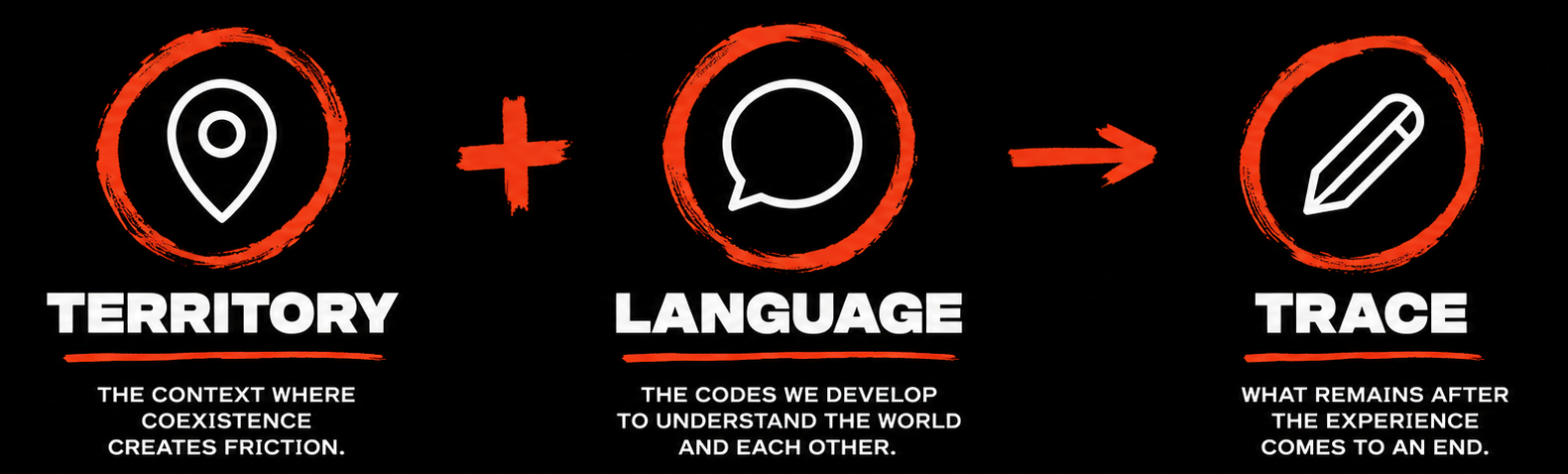
Every meaningful learning environment can be observed through three interconnected elements.
Territory is the shared context where coexistence creates friction, participation and belonging. Territory is not simply a physical location. It is the environment where people continuously influence one another.
Language is the collection of codes that allows people to interpret that territory. Words are only one part of it. Symbols, rituals, habits, gestures, references and shared practices all become languages that define who belongs and how knowledge circulates.
Whenever territory and language coexist, they produce Trace: the marks left by people through participation, interaction and creation. Some traces become stories. Others become habits, objects, traditions, spaces or institutions.
The central proposition of this framework is that these traces should not be understood as the raw material of culture, nor as something that eventually becomes culture.
They are culture itself.

THE FRAMEWORK IN PRACTICE
Theory only becomes meaningful when it helps explain reality. The Invisible Classroom emerged by observing how the same underlying pattern appeared across radically different learning experiences.
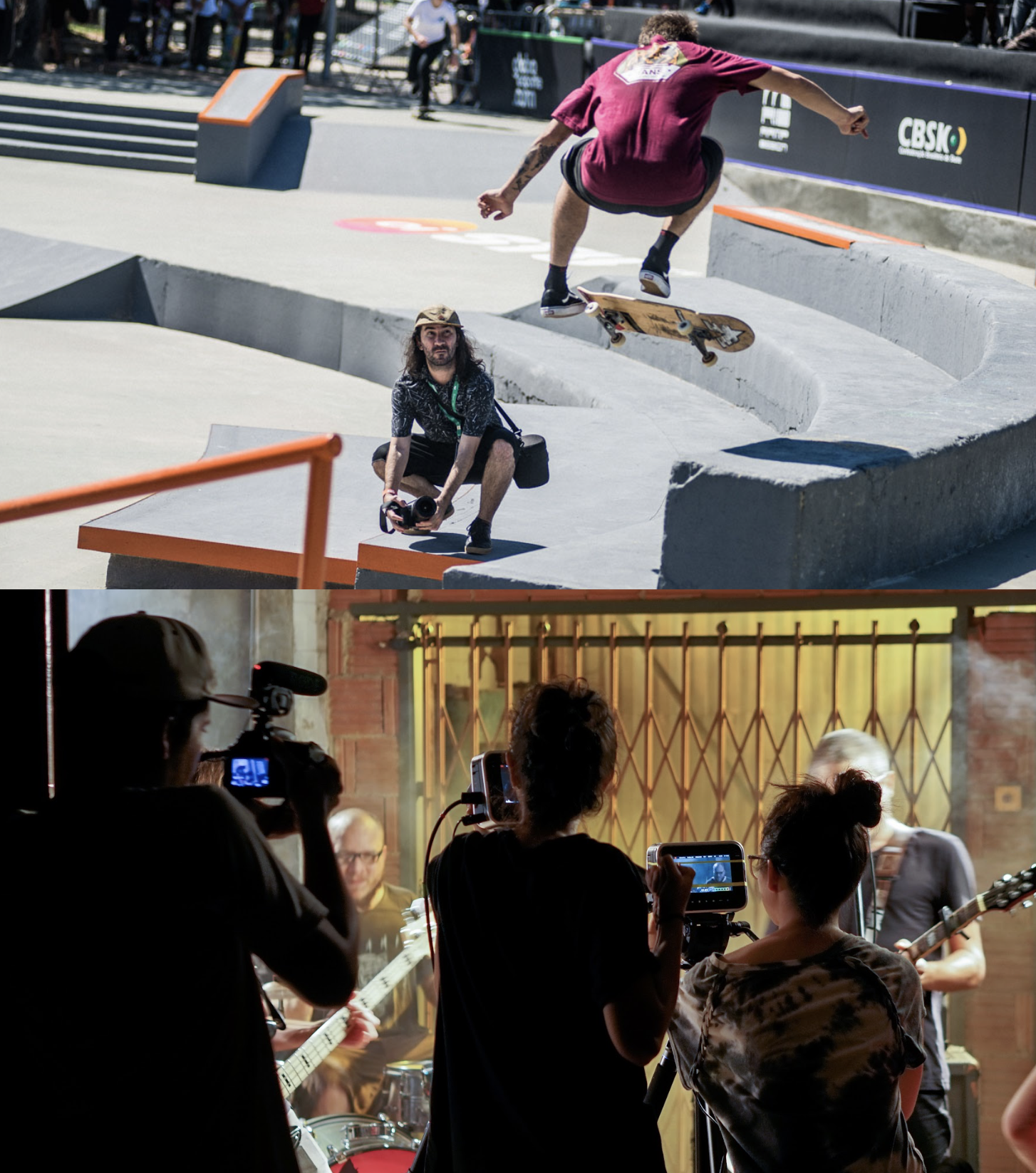
One audiovisual program illustrates this clearly. Our initial proposal followed the traditional format: classes about filmmaking. Interest was low. Instead of asking how to improve the course, we asked a different question: what territory did participants actually want to enter?
The answer was obvious. They did not want to study audiovisual production. They wanted to make music videos.
The experience was completely redesigned. Instead of simulated exercises, participants joined real production crews, worked with real artists and collaborated on an actual music video. Both editions reached full capacity, and the two videos produced during the program have since accumulated more than one million views.
The lasting outcome, however, was not the videos themselves. Participants left with portfolios, professional connections and a practical understanding of the language of audiovisual production because they had experienced the territory rather than merely studying it.
The same pattern emerged repeatedly. Former participants created production collectives, launched companies, won international awards and continued collaborating long after the educational activities had ended. The classroom disappeared. The traces remained.
ABOUT THE RESEARCH
Dan Medeiros is a Brazilian creative director, designer and educator whose work explores how learning emerges wherever people create together.
Over the past two decades, his career has moved across branding, startups, creative direction and education. As Co-Founder of Solto, he designed and facilitated learning experiences connecting schools, skateparks, rap battles, graffiti festivals, creative communities and organizations.
Rather than approaching learning as an educational specialist, Dan approached it as a designer. By observing how people interact, develop shared languages and transform the environments around them, he began recognizing the same underlying pattern across radically different contexts.
That investigation became The Invisible Classroom.
Today, as Creative Lead at Arco Educação, Latin America's largest K–12 education group, he continues exploring the intersection of design, learning and culture, developing practical frameworks for understanding how human learning happens before, during and beyond formal education.

THE invisible CLASSROOM
*
THE invisible CLASSROOM *
A living research project, continuously evolving through observation, practice and dialogue.